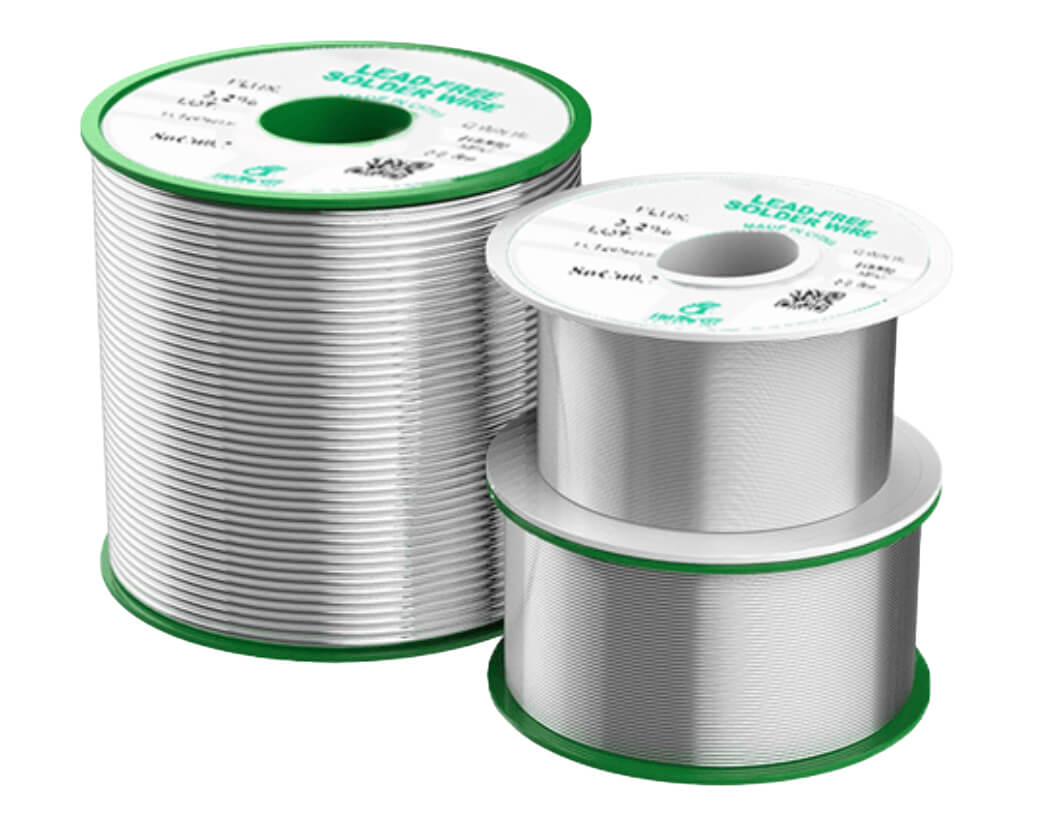
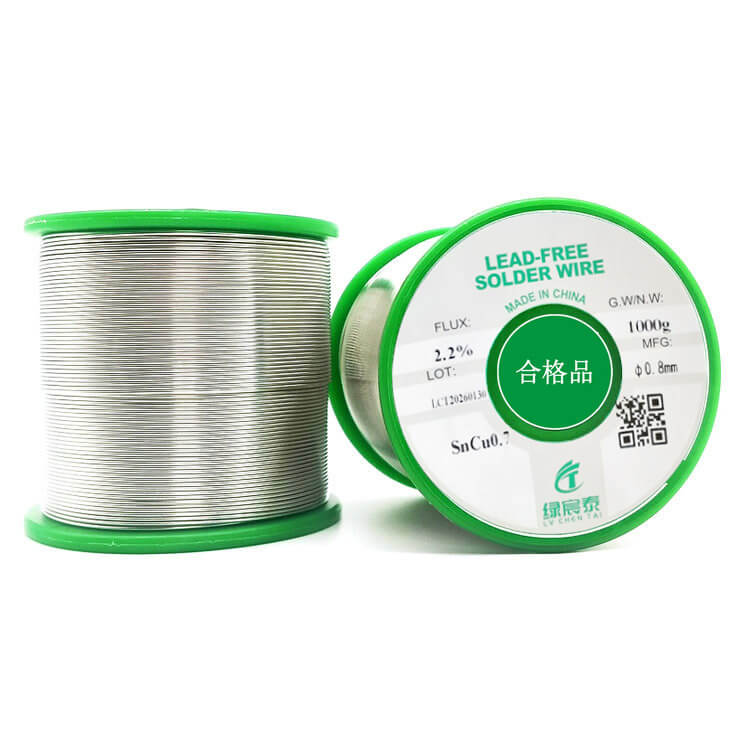
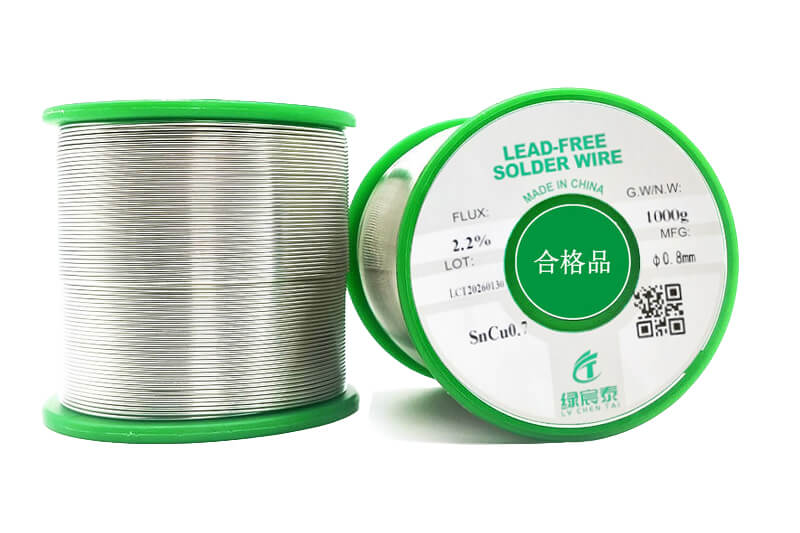
How to choose the right solder wire?
Still deciding? Get samples first, Contact US !
View similar products
- Description
-
Product Description
Specification
A Scientific Guide to Solder Wire Purchase: From Composition to Branding
Today, with the vigorous development of the electronics industry, the category of solder wire has developed from a single type in the early days to a rich system including washable type, no-cleaning type, lead-free type, halogen-free type, solid type, etc. Faced with a dazzling array of products, many buyers and users often feel at a loss. As a professional solder wire manufacturer, we will analyze in detail how to choose the right solder wire from multiple key dimensions to help you make accurate decisions.
1. Core components: the cornerstone of solder wire performance
The composition of solder wire is the primary factor in determining its performance, directly related to welding quality, environmental compliance, and applicable scenarios. Early solder wires were dominated by tin-lead alloys, but with the implementation of environmental standards such as EU RoHS, the content of lead and several other harmful elements was strictly limited (usually requiring a lead content of less than 0.1%), and tin-copper alloys have become the mainstream choice for environmentally friendly lead-free solder wires.
When choosing, it is first necessary to clarify whether the product has RoHS standard requirements. If so, preferential choice should be given to lead-free solder wires made of tin-copper alloy, which not only comply with environmental regulations but also meet the testing requirements of export products. For scenarios where higher performance is required, silver-containing solder wires with silver elements added to the tin-copper alloy are ideal. Silver has stable chemical properties, which can significantly improve the electrical and thermal conductivity of solder joints, so that the welded circuit can maintain stable operation in high-frequency and high-power environments, especially suitable for the manufacturing of high-end products such as aerospace and medical electronics.
2. Welding temperature: the key parameter of the adaptive substrate
According to the temperature required during soldering, solder wire can be divided into three types: high temperature, medium temperature, and low temperature. Different substrates and components have a strict tolerance range for soldering temperatures, which can lead to serious consequences if not chosen correctly. For example, some PCB boards will bend and deform or even melt when soldered at high temperatures, directly causing product defects. Some thermal components (e.g., sensors, LED chips) will experience performance degradation or even permanent damage in environments that exceed the temperature tolerance.
Therefore, when selecting a solder wire, it is essential to fully understand the heat resistance characteristics of the material being soldered. For substrates that are not resistant to high temperatures, low-temperature solder wires should be selected (usually with a melting point below 200°C); Medium-temperature solder wire (melting point 200-260°C) can be used for soldering ordinary electronic components; For devices operating in high-temperature environments (such as electronic components in the engine compartment of automobiles), high-temperature solder wires (melting point above 260°C) need to be selected to ensure the long-term stability of the solder joints.
3. Structure type: the performance game between rosin core and solid core
Solder wire can be divided into two types according to its internal structure: rosin core and solid core, each with its own advantages and applicable scenarios. Under the premise of the same alloy composition, solid core solder wire has better storage performance - because there is no flux, there is no need to worry about performance degradation due to flux volatilization, and the shelf life can be extended to 2-3 years, which is much higher than the 1 year of rosin core solder wire. At the same time, the oxidation rate of solid core solder wire is significantly reduced, and it can maintain good soldering performance for a long time.
In terms of soldering safety, solid core tin wire does not contain rosin, which greatly reduces the probability of tin frying during welding, which is especially important for the welding of precision electronic components and can effectively reduce the risk of short circuit caused by solder bead splashing. In addition, solid tin wire can be flexibly matched with different types of flux, and by adjusting the composition and concentration of flux, it can meet the soldering needs of surfaces of different materials and different levels of pollution, and has strong versatility.
However, solid tin wire also has obvious limitations. Since it does not contain flux, it needs to be added during soldering, which not only puts forward higher requirements for the operator's technical level (the amount of flux and coating position needs to be accurately controlled), but also affects the soldering efficiency to a certain extent, which is not suitable for large-scale assembly line production. In contrast, rosin core solder wire does not need to add additional flux during soldering, making it easier to operate and more efficient, making it more suitable for general electronic assembly and maintenance scenarios.
4. Cleaning requirements: Adaptation of no-cleaning and washing scenes
Depending on whether it needs to be cleaned after soldering, the solder wire can be divided into no-cleaning type and washable type, and there is a clear boundary between the applicable scenarios of the two. The clean-free tin wire uses non-corrosive flux, and the residual substances after soldering have little effect on the impedance value of the product, and will not have a corrosive effect on the solder joints, which can meet the long-term use needs of most civil electronic products. Its biggest advantage is that it eliminates the cleaning process, can significantly reduce production costs, improve production efficiency, and is widely used in the large-scale production of consumer electronics such as mobile phones, computers, and televisions.
The situation of washed tin wire is different, its welding residue has a certain corrosiveness, which will affect the impedance performance of the product, and long-term use may lead to the failure of the solder joint. Therefore, residues must be thoroughly removed by deionized water cleaning, ultrasonic rinsing, or high-pressure water gun rinsing. Despite the addition of cleaning processes, the washed tin wire has almost no residue on the surface after rigorous cleaning, and the cleanliness is extremely high, so it is indispensable in fields with strict requirements for reliability and stability, such as power meters, high-frequency vibration cameras, military products, etc. These products often operate in complex and harsh environments, where even the slightest residue can cause serious failures.
5. Wire diameter specifications: precise selection of suitable solder joints
Although the wire diameter of solder wire does not directly affect its intrinsic properties, it has a significant impact on the convenience and efficiency of soldering operations. The diameter range of solder wires on the market today is usually between 0.1mm and 3.0mm, and products with different wire sizes are suitable for different sizes of solder joints.
Large-diameter (more than 1.0mm) solder wire is suitable for soldering large areas of solder joints, such as connectors, power terminals, etc., and can quickly fill the solder joints and improve soldering efficiency. Small diameter (less than 0.5mm) solder wire is suitable for soldering fine solder joints, such as chip resistors, capacitors, IC pins, etc., which can accurately control the amount of solder and avoid soldering defects such as bridging.
In automated welding, the choice of wire diameter is particularly important. When using an automatic soldering machine, the solder wire with a larger diameter is not easy to break during the wire feeding process, which can ensure the continuity of the welding process and reduce the downtime caused by wire feeding failure. Small-diameter solder wires are prone to breakage during the wire feeding process, which requires high-quality solder wires (with better toughness) and high-precision automatic soldering machines to ensure the stability of the soldering process.
6. Brand selection: the double guarantee of quality and service
In the selection of solder wire, brand is an important factor that cannot be ignored, which is directly related to the stability of product quality and after-sales guarantee. After years of market competition and technology accumulation, many well-known solder brands have emerged in the market, such as Alpha Aifa, YT Yunxi, QLG Qiangli, Jiajinyuan, Yichengda, Senju Senju, Vitereven, etc. The products of these brands have undergone long-term R&D and production verification, passed the strict certification of professional institutions, and accumulated a large number of customer evaluations, and have reliable guarantees in terms of quality control, performance stability and after-sales service.
In contrast, solder products operated by small workshops or without a license have many risks. These products often use inferior raw materials and have rough production processes, resulting in insufficient solder purity, high impurity content, and easy problems such as false soldering and insufficient solder joint strength during soldering. What's more serious is that once a quality problem occurs, it is often difficult for consumers to find manufacturers to protect their rights, and may eventually cause greater losses due to small losses.
Therefore, when choosing solder wires, you should not only choose inferior products to save costs, but comprehensively consider product quality, after-sales service and brand reputation. Here, we recommend the soldering wire of Suzhou Luchentai brand to everyone. As a professional manufacturer with 15 years of R&D and production experience, Suzhou Lvchentai has a complete range of products, and all kinds of solder wires mentioned above are available in stock. More importantly, the company is equipped with a number of experienced technical engineers who can provide professional pre-sales consultation and after-sales guidance to ensure that the problems encountered by customers during use can be solved in a timely manner. Its product quality can withstand the test of the market, and the price is also very competitive, making it a very cost-effective choice. Welcome customers to come to consult and purchase!
Epilogue
Choosing the right solder wire is a system engineering that needs to be comprehensively considered, and must combine various factors such as product performance requirements, production process characteristics, and use environment. From core components to welding temperatures, from structural types to cleaning requirements, to wire size specifications and brand selection, every step requires meticulous analysis. Only through scientific and reasonable selection can we ensure the stability and reliability of welding quality, improve production efficiency, and reduce cost losses. We hope the guidance in this article can help you find the most suitable solder wire products and provide solid material support for electronic manufacturing work. ]]>
Product Images And Product Chart
How to choose the right solder wire?
Still deciding? Get samples first, Contact US !
Products Category
Inquire Now
Note: Please leave your email address, our professionals will contact you as soon as possible!